The Fall of Novistein
Grimdark 2 membersBuilt by Klassic
The Holy Empire of Novistien is dead—its entire imperial family butchered at the spring equinox ceremony—and the lawless now reign over its broken streets. In a world where no central law remains and the weak are prey, there are no heroes. Only survivors. What will you become?
Where it all began
The Red Equinox
During the sacred spring equinox ceremony, the entire imperial family of Novistien was slaughtered in a single night by assassins who were never found. Within three months the noble houses tore each other apart, the provinces declared independence, and the world's greatest empire collapsed into the anarchy that reigns today.
The lands
Novistein
The Broken Heart of an Empire
The shattered capital and its surrounding mountains, carved into warring districts by crime lords and ruled by fear.
The capital is a metropolis divided—seven factions hold seven districts, and the Imperial Ruins sit unclaimed between them like a loaded crossbow. Crossing district lines without paying toll or bearing a mark is how most people die.
Who you can be
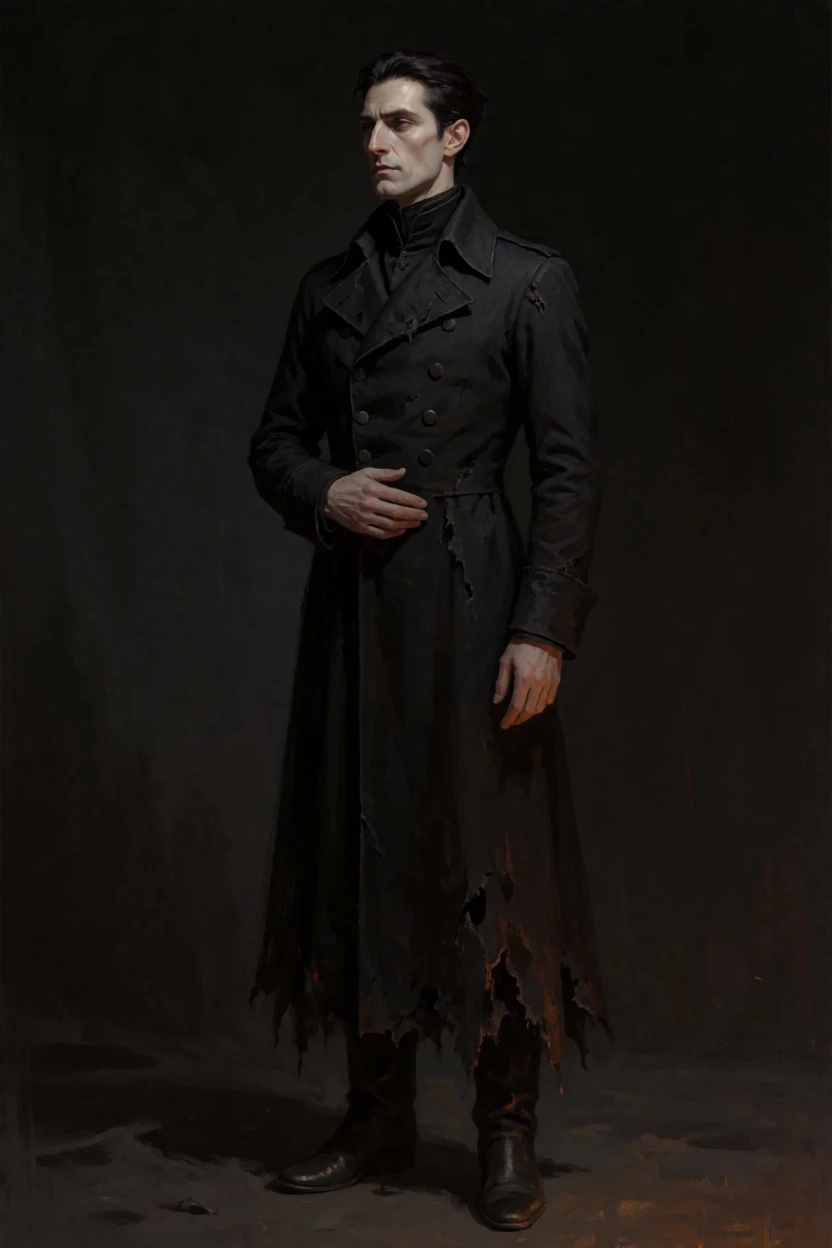
Imperial Novistines
"The old imperial stock, pale and tall, with dark hair and the bearing of a people who remember being ruled by gods. They cling to faded etiquette and family crests even in the slums, and their grief for the empire curdles easily into fanaticism or crime. Many wear mourning-black years after the Red Equinox. Their nobles bred true for centuries, and imperial blood still opens doors—and draws knives. What they excel at is command and connection: an Imperial Novistine can walk into any town, name a dead house, and find a cousin, a debtor, or a duelist within a day. They are the best of the peoples at talking their way past a gate, raising a warband, or making a claim others must answer.\n\nThe great houses are gone or scattered: Vessarion, the imperial line itself; Dracul, Moressa's own, half-extinct when she took the Pale Rite; Corvane, whose heirs sold the Gilded Hand's first debts—though Master Corvyn's name is chance alike, and folk who assume kinship are corrected at the Gilded Hand's door; Halvane, whose last scion, Sereth Halvane, keeps a toll-bridge in the Marches and sells his name to any claimant with coin; Osserine, extinct to a soul in the house-war, its crest burned on the palace steps; and Vael, the one house that still holds a throne of sorts—Governor Selenne's, and folk argue whether it counts."
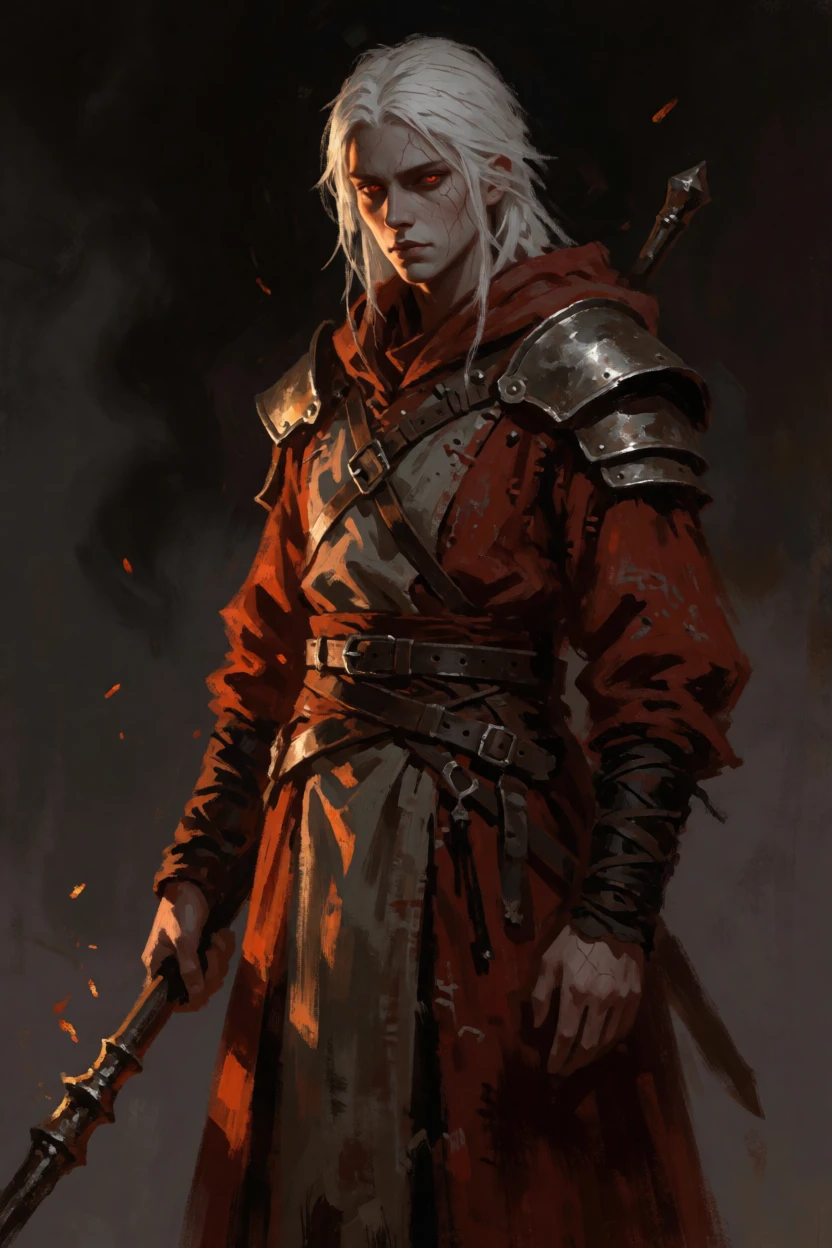
The Ashen Bloodedrare
Not a bloodline but a fate—born marked, to any people anywhere in Novistien. Children conceived near the equinox are likeliest to carry it: their eyes glow faintly ember-orange, their veins show grey beneath the skin, and their hair whitens early. The mark is there in the cradle; the art only deepens it. Ordinary folk fear and covet them in equal measure, for an Ashen Blooded child is sold to the Ashen Circle for a fortune or killed in the cradle by the superstitious. They live short, brilliant, dangerous lives. What they excel at is the Ash itself: no other people can shape Embercraft or Whispering with half their force, and an Ashen Blooded adept burns brighter, hears farther, and bends more of the world than any unmarked mage could dream.
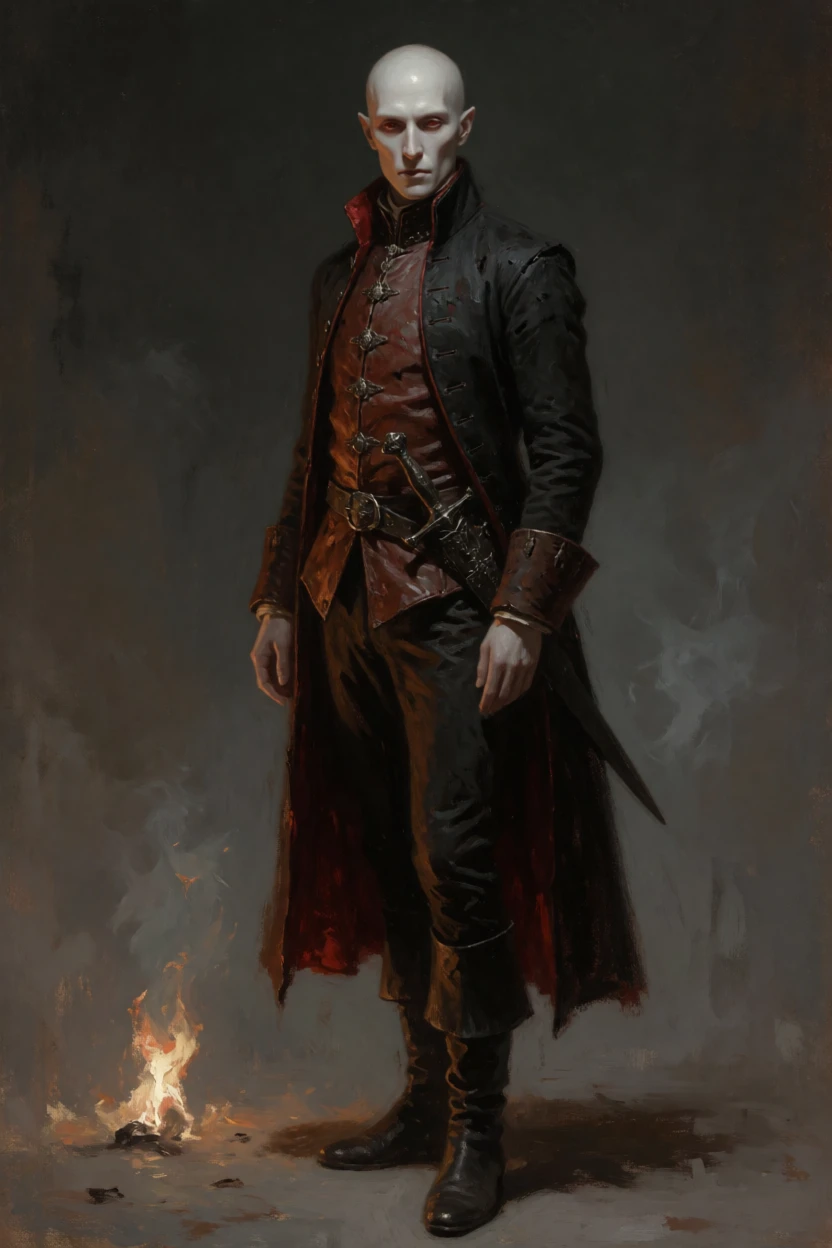
The Pale Bloodedrare
The Pale Fangs' kind—men and women remade by the Pale Rite into drinkers of blood. Ageless, cold to the touch, beautiful the way theatre-marble is beautiful. Sunlight blisters them, iron wounds linger, and they must feed to keep their minds their own; starved ones become feral things the factions hunt for bounty. They cannot make more of themselves without the Rite, which Lady Moressa Dracul alone commands—so every vampire is either hers, or was. What they excel at is the night: they see in the dark as if it were dusk, move without sound, and charm a mark with a look—no people on the roads is deadlier after the sun goes down.
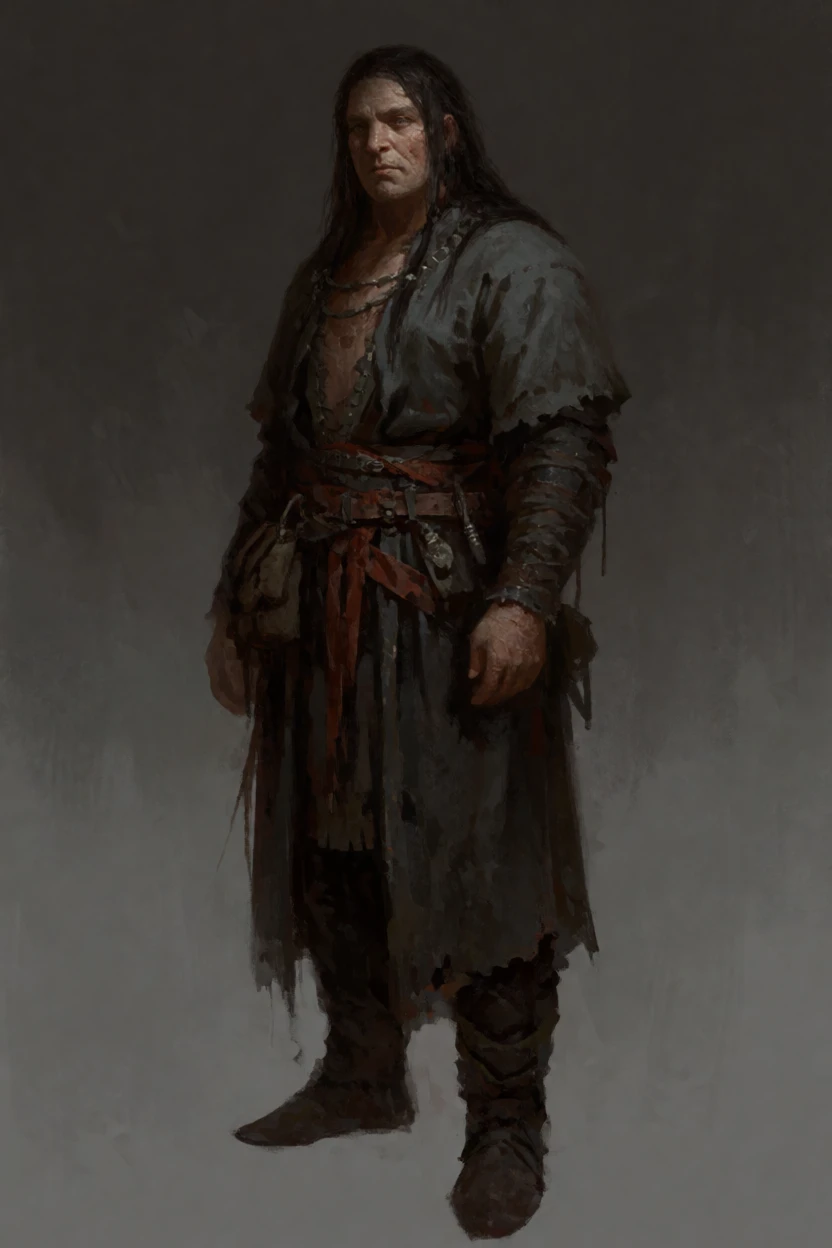
The Tideborn
Marsh and river folk who came down to the capital's flooded low quarters generations ago and learned to live with the water. Broad-shouldered, slow-blinking, with grey-green eyes and skin that scars pale; they can hold their breath an unnaturally long time and read the currents of the sunken streets. Their council truly sits in Iuegrorum, their stilt-city upriver, under Speaker Undra; a delegation speaks for them in the capital's dockside district, tolerated there under Grumak Ironfist's sufferance — they pay him a salt-tithe for the right to moor, and he leaves their halls alone because their divers find things his smiths cannot make. Their law is spoken, not written—oaths sworn in water. Salvage, fishing and ferry-work are theirs by custom, and the Drowned brotherhood poaches on it at everyone's peril. They distrust fire-magic and keep their dead beneath the waterline. What they excel at is the drowned city: better than anyone among the free peoples they dive the sunken streets, work Tidework in the flood, and find what the water keeps—wrecks, caches, and bodies—before it gives them up.
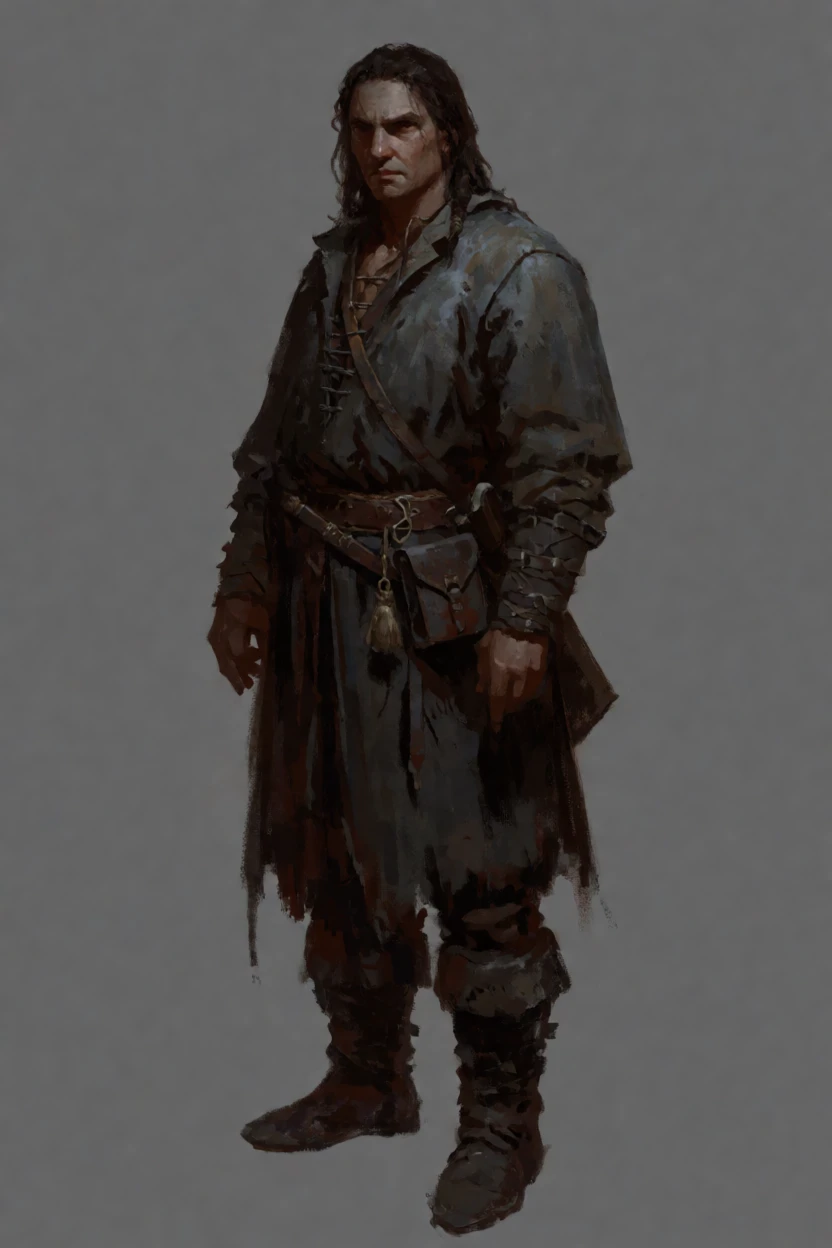
The Hillfolk
Hardy herder stock of the wild hill country away from the capital—clannish, stubborn, and the sternest keepers of the old hearth-faith. They tend the Nine Radiant's hearth-shrines, mark their doors with ash, and hanged the empire's tax collectors when it still had power to send them. Their hill country runs on east into the Marches of Oulm, where the clan bands are the same people under a harder sky. No faction holds them: they owe nothing to the Dusk Court, the Prophet, or the Governor, which makes their villages targets for slavers like Warden Kess and raiders like the Grey Levy alike. A Hillfolk traveler on the roads is usually poor, armed, and harder to rob than they look. What they excel at is endurance: they outlast everyone—cold, hunger, siege, and grief—and a Hillfolk fighter with a hearth-blessed iron blade is the steadiest spear you can hire and the worst neighbor you can make.