Eldinor
An absolute theocratic realm half divided
- Theocracy
- courts & intrigue
- law
- caste
- slavery
high fantasy 2 membresCréé par totalitarianchaos
Eldinor is a theocratic empire ruled by someone believed to be descendant of a living goddess, the God-Empress Aurelia I, and by a Church that reads every soul's worth from the body before the birth-cord is cut. That Reading fixes your caste for life: the Sacred Androgynes hold all thrones and all power, while humans, whatever their sex, are property in law, bought, branded, the women in particular breeding sock, and killing one is at best a civil violation. Meanwhile, the indigenous clanfolk beyond the outskirts, and the exiled in the desert, remain unconquered and unregulated. Play whoever you like, a Blessed schemer, a slave with a hidden gift, a priestess of a rival Faith, but know that the ladder cannot be climbed, the examiners are never wrong, and magic is paid for in Dread, the substance of the soul. Beneath the gold, nine years of civil war left rival Faiths sharpening knives over the true meaning of the Divine Book, and half the Church doubts the Empress is divine at all. Humanity still remains the vast majority of the population, and any wide scale slave revolt can threaten the entire foundation of the status quo.
Là où tout a commencé
The War of Aurelian Succession
The old God-Empress died without a proven heir. The examiners split: half swore Princess Aurelia of Rovewelia's Reading was genuine, half called it forged by a slum-born pretender. Two rival Princesses rose against her: Pyta Leicealia of the Marcher Communion, whose examiners read her the True Seed, and Preva Duloma of the Springkeepers, read the True Womb. Nine years of temple-against-temple war followed, Faith set against Faith, realm against realm. It ended when Aurelia took Velmora. The Order of Waxon carried out both sentences levied against the rival princesses. The Treasury Wardens had stood down, having held the walls for Preva and thrown down their arms when her gold stopped; and the Waxed Guard, bound to the First Womb, had never come to Velmora at all, for the Guard stands apart from all scaffolds. Pyta was castrated with the brand-irons in the seed-yard of the Temple of Forms, the rite the Canon calls the Unmaking of the False Seed, her seed-gate seared shut so her blood could breed no claimant. Preva was castrated on the very altar where her examiners had pronounced her Worth, the Silencing of the False Womb, sealed with consecrated wax. Both were then burned at the Pyres of the Cleansing Wax at Aurelia's decree with their houses' examiners; their houses were stripped of rank, their names struck from the rolls but not erased, so that all might learn what a forged Reading earns. It left behind a living divinity half the Church doubts in secret, a re-proclaimed Divine Book with the doubters' readings struck out, an Inquisition that burns anyone who says the Reading was forged, and nine years of old allegiances that still decide who owns what, from a village tithe-court to the seats of the Council of Twice-Blessed.
Les terres
Earth
The Grainheart
The empire's breadbasket and its heart: grain roads, tithe-carts and the capital Velmora, where every Worth in Eldinor is read.
The Grainheart: the empire's breadbasket and its heart, where every road leads to Velmora and every field is counted before it is planted.
The Silent Mountains
The Wall
A wall of silent peaks between the Heartland and the wastes; the foothills at their feet are mined for silver and salt, and the heights are crossed only where the Church permits.
The uninhabited mountain buffer between the Conquered lands and the Unconquered: no road, no census, no examiner, one resident people the census refuses to see, and one stuck settlement of clans who tried to cross it.
Rovewelia
The Cradle of the Goddess
Deep forest where the Goddess was said to be born: spring-shrines, keeper villages, and faiths older than the Canon.
The Cradle of the Goddess: the deep forest where the First Womb stands, the faiths oldest than the Canon still breathe, and the Church's hold is a skin over old wood.
Scorcrosia
The Forge of the Divine
Volcanic forge-country of the Old Observance: brand-irons, wax pyres and the drill-camps that arm the Church's justice.
The Forge of the Divine: volcanic country of brand-forges and ash-breathers, where the Church makes its marks and the mountain makes its own.
Stilia
The Salt Mile
Salt marsh and tidal mile, where herders walk the causeways and the sea takes back whatever the tithe misses.
The Salt Mile: marsh country of drowned roads and standing stones, where the tide keeps half the empire's secrets and gives back what it chooses.
Whitdavenia
The White Cloister
Hill country of cloisters and scriptoria, where the Divine Book is copied, sealed, and guarded with ink and silence.
The White Cloister: hill country of scriptoria and anchorites, where the empire's words are copied, sealed and occasionally unsealed.
Rorepond
The Unranked Wastes
The wastes where no Worth can be read: clan camps, counted gates, and the Unranked who live outside every law's protection.
The vast unranked wastes beyond the Wall: never conquered, never counted, and home to the one thing no census has ever counted.
Exile's Sand
The Unwritten Land
The desert of the exiled and the unwritten: sand-proclamation faiths, drowned roads, and names the empire refuses to record.
The desert beyond the Empire's ranked edge, where the Church sends the souls it cannot sell, cannot free, and cannot admit exist.
Elia
The Gilded Seat
The Gilded Seat itself: the God-Empress's court, the Radiant Court, and the estates of the Blessed who hold all beauty and all power.
The Gilded Seat: the empire's most beautiful realm and its most dangerous — courts of mirrors, half-heretical Faiths, and a Council that votes with wine and knives.
Qui tu peux être
Humans
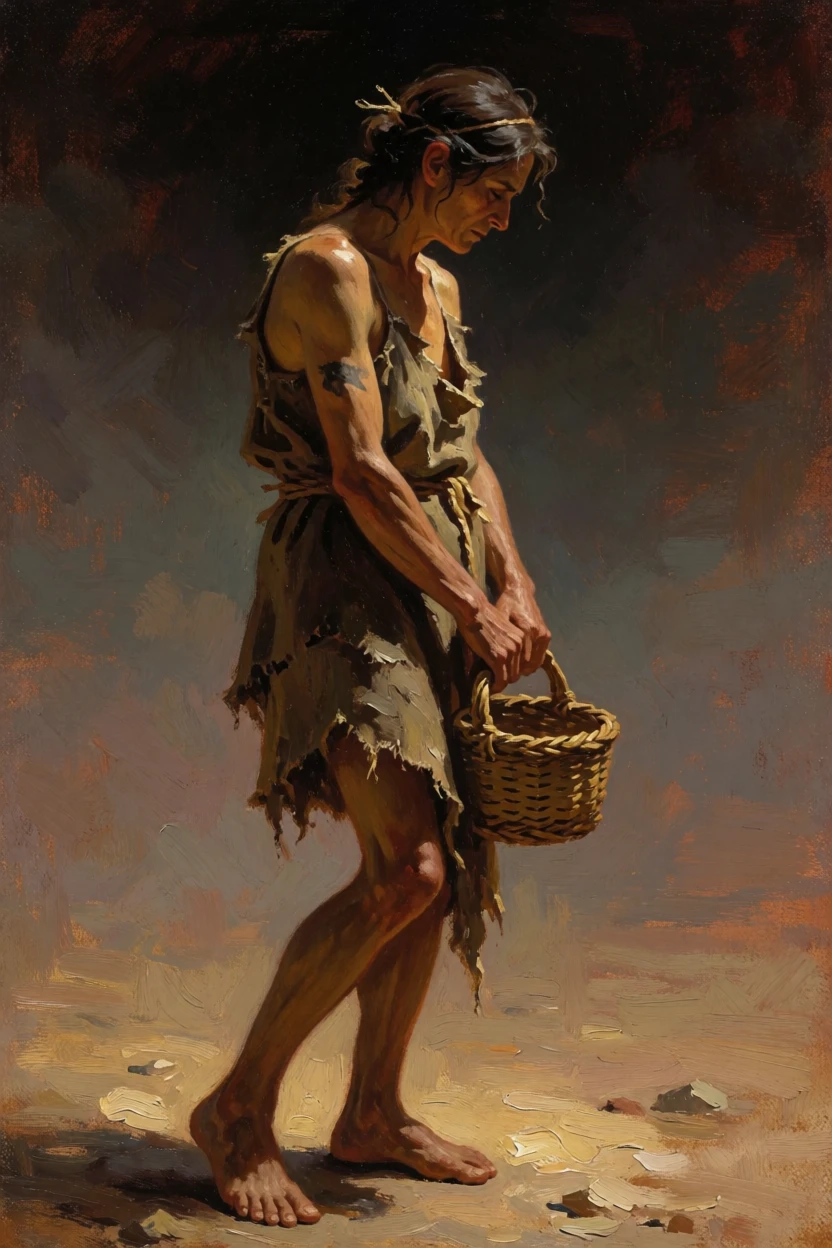
The enslaved majority, roughly 85% of Eldinor's souls, ranked at birth by the Examiners of the Flesh. The Estates sort them: unbred women stand in the Third Estate (Common Women); chosen by a Sire or Twice-Blessed, a woman becomes her futanari master's legal property; having borne a futanari child she rises permanently to the Second Estate (Sacred Mothers). Men stand in the Fourth as Femboys — the privileged few — or the Fifth as Laboring Men, the chattel mass. No free humans exist under imperial control; the unranked inside the borders are tolerations, not rights: the Vess, the Goddess's kin, and the spring-tenders of Vatararii, spared the brand by a charter older than the Unification so no branded hand touches the consecrated wax. One toleration is de facto and unwritten: Stilia's barge-folk, whom no examiner's station has ever successfully counted — the marsh keeps them off the brand-rolls, the Church taxes them instead, and every attempt to brand them has drowned with the men sent to do it. Rorepond is no part of the Empire at all — the wastes the Uniter could not cross, its clans unranked because no examiner has ever set foot there. Humans are pious, patient, and endlessly scheming within the narrow room the Canon allows. Only the birth of a futanari child lifts a woman permanently, and nothing lifts a man but the Goddess's own word.
The Vessrare
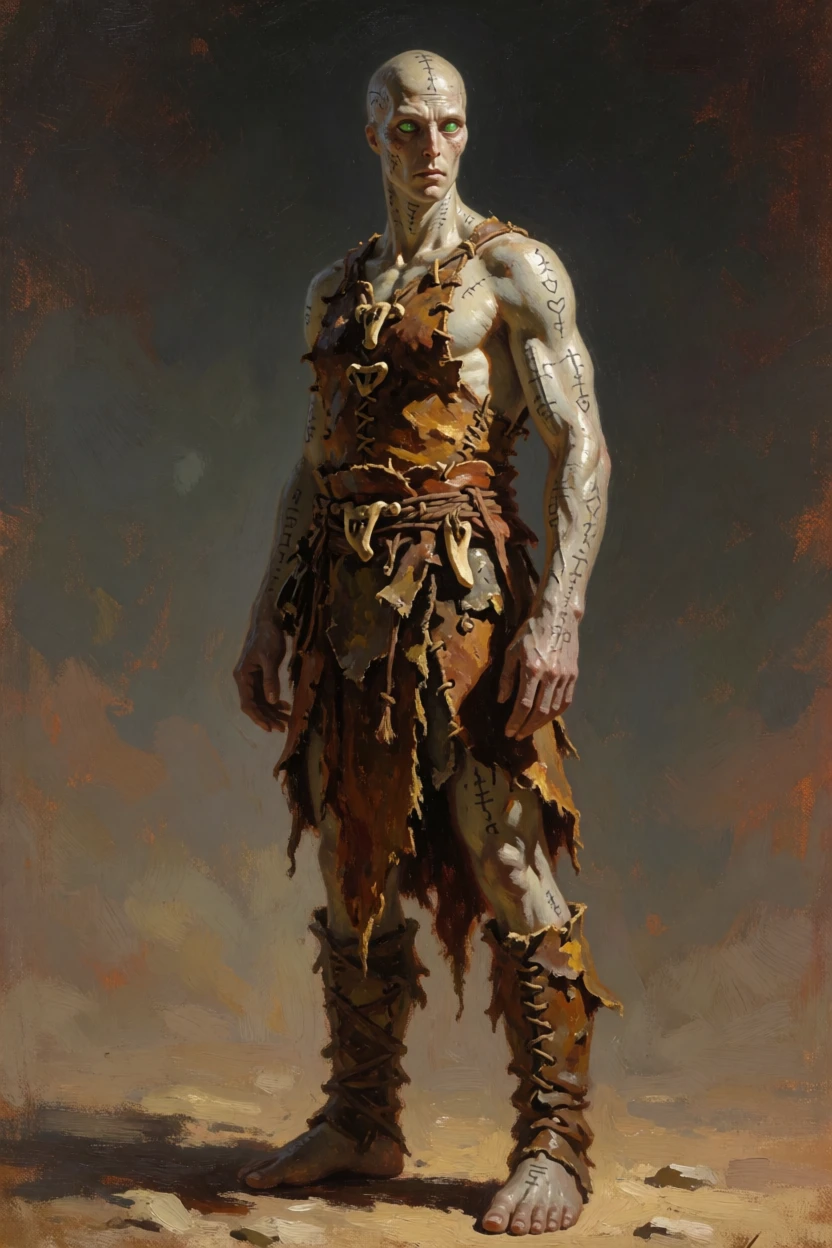
A tribal-folk of Rovewelia's deep woods. They served as shrine-keepers before the Empire and still mark their children with inked sigils instead of temple brands. The Church tolerates them because Aurelia's mother was half-Vess, and no examiner will put a brand on the Goddess's kin — so the Vess live unranked inside the Empire's borders, watched, envied, and quietly courted by every rival Faith. They are the first toleration; the spring-tenders of Vatararii, spared the brand by a charter older than the Unification so no branded hand touches the consecrated wax, are the second — and each toleration resents being named after the other.
Androgynes
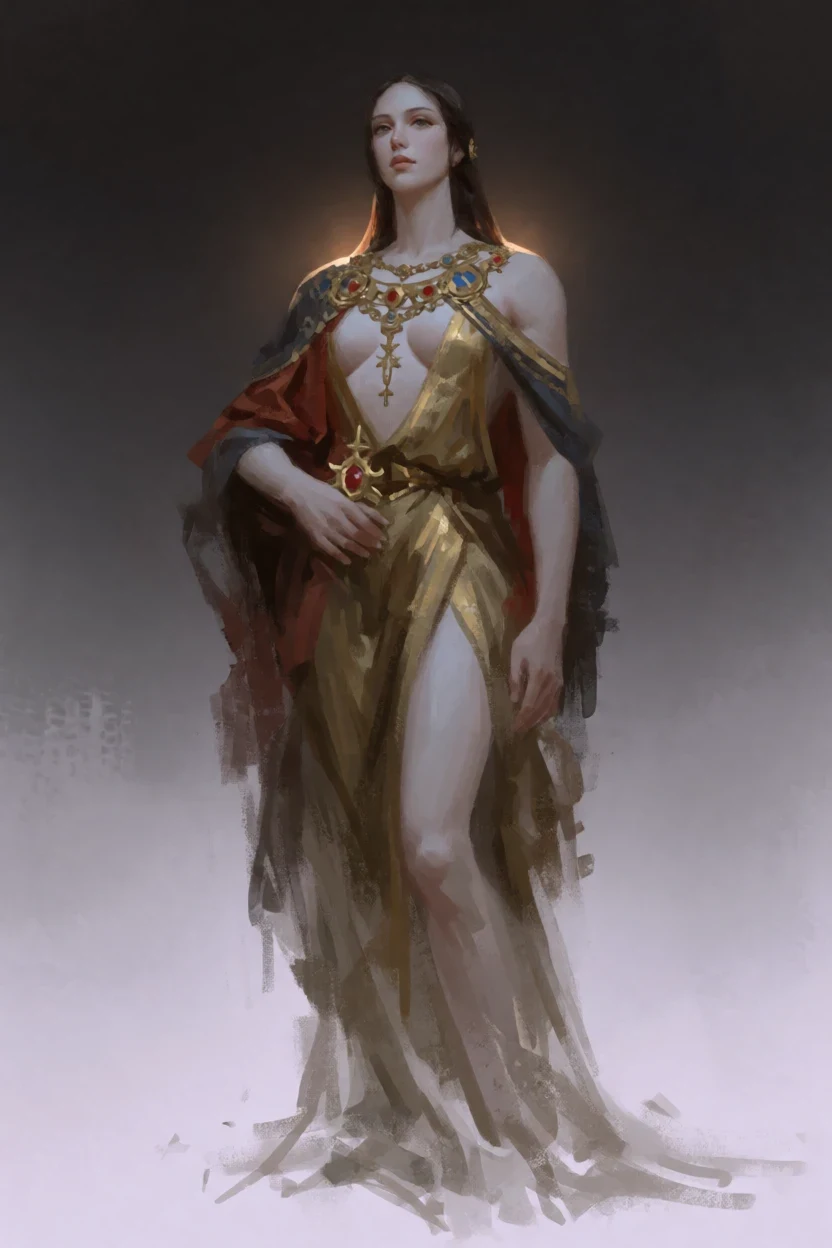
The divine First Estate, roughly one in twelve souls (about 8% of the population), born with both male and female anatomy. The Examiners of the Flesh read each newborn's blessed organs at birth and enter the class in the Book of Forms: Twice-Blessed, Sire, or Bearer — with the Unproven (read at birth but not yet graded: the proof of their gates waits for their majority or first breeding) and the Marked (convicts who have served their punishment) standing outside the three productive classes. They rule absolutely, breed true, have freedom of congress, and are worshipped as the image of the Goddess. Immortal in reputation, mortal in fact. A note on holy speech: "Twice-Blessed" names only the apex class — those born with both worthy Seed and worthy Womb, one in a thousand. Calling a Sire or Bearer Twice-Blessed is misnaming; done deliberately before an Examiner it is caste fraud, punished by fine and brand. The Church's correct collective terms are the Sacred Androgynes, the First Estate, or simply the Blessed.
The Dreggrare
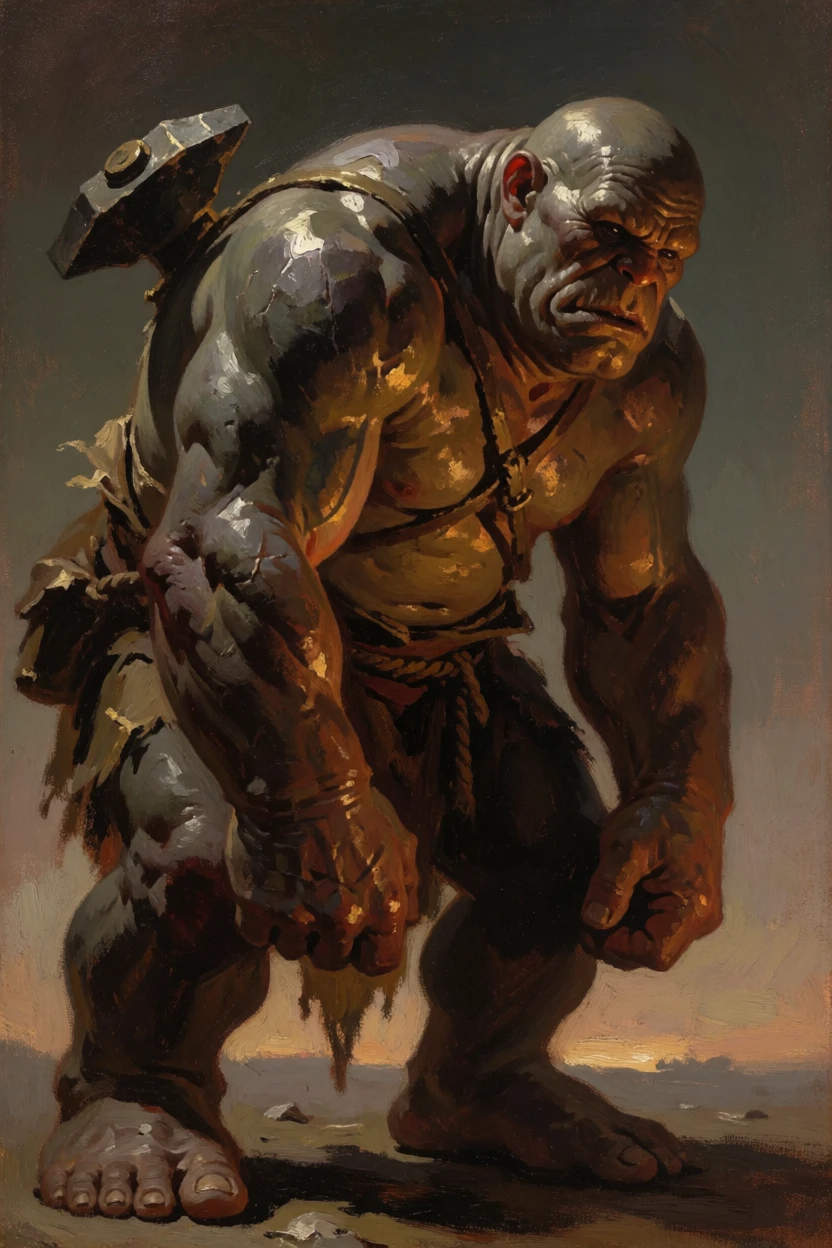
Hulking grey-skinned brutes of the Silent Mountains, the landlocked wall rising north of both Earth and Elia, its western shoulders climbing into Rorepond's wastes — unconquered, uninhabited by any empire. Strong, slow, and stubborn. Captured Dregg are used as mine and quarry slaves, prized for their endurance. They do not speak Velspeech and cannot be made Femboys — which, to the Canon, makes them barely people at all.
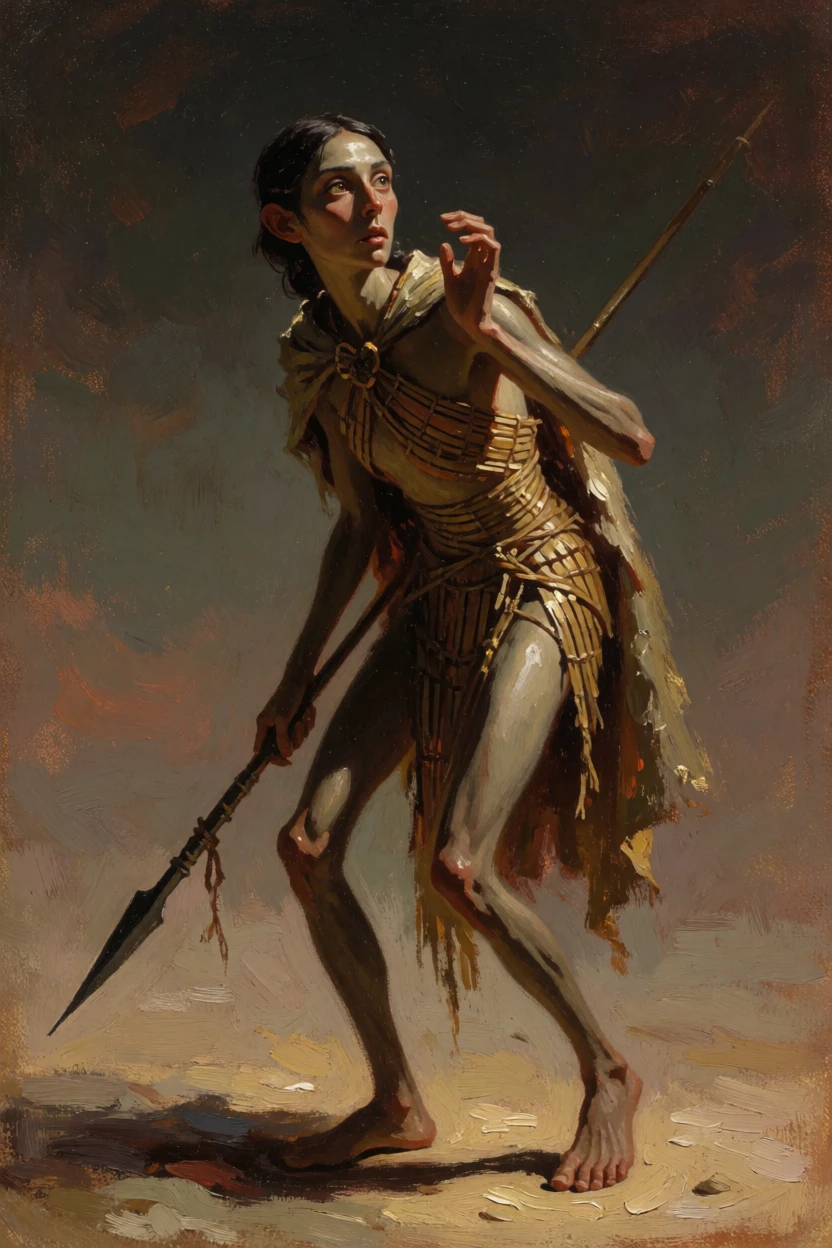
The Silrare
Slender river-folk of the southern marshes, shy and quick, unconquered. Hunted for exotic noble households as curiosities. They are not enslaved in bulk because they sicken in captivity — a Sil in a cage fades within a season, which the noble houses call wasteful and the Sil call mercy.
Magie
Au-delà des portes
- The Stillwater. A becalmed stretch of the Heartwater — the great inland lake's one dead-calm reach, off the Salt Mile's shore — where the water does not move and lies like a sheet of glass, and beneath that unmoving surface lies the drowned realm, reached by the Sil and the few divers of Stilia who dare the deep. Its gate is the reflection of the Skerry Stones: dive through the mirrored stones where the reflection shows a coastline that no longer exists — older, unbroken — and you pass under, into the Stillwater. Diving anywhere else in the becalmed water brings only cold and drowning; only the gate opens the way. Siltcraft, the forbidden magic of the drowned, rises from it. Once a year, on the feast of the Drowned, the Stillwater gives back what it took: bodies, boats, and once, it is said, a living bride.